
The Avinox M2S E-Bike Motor: Engineering Excellence Meets Practical Power
Introduction
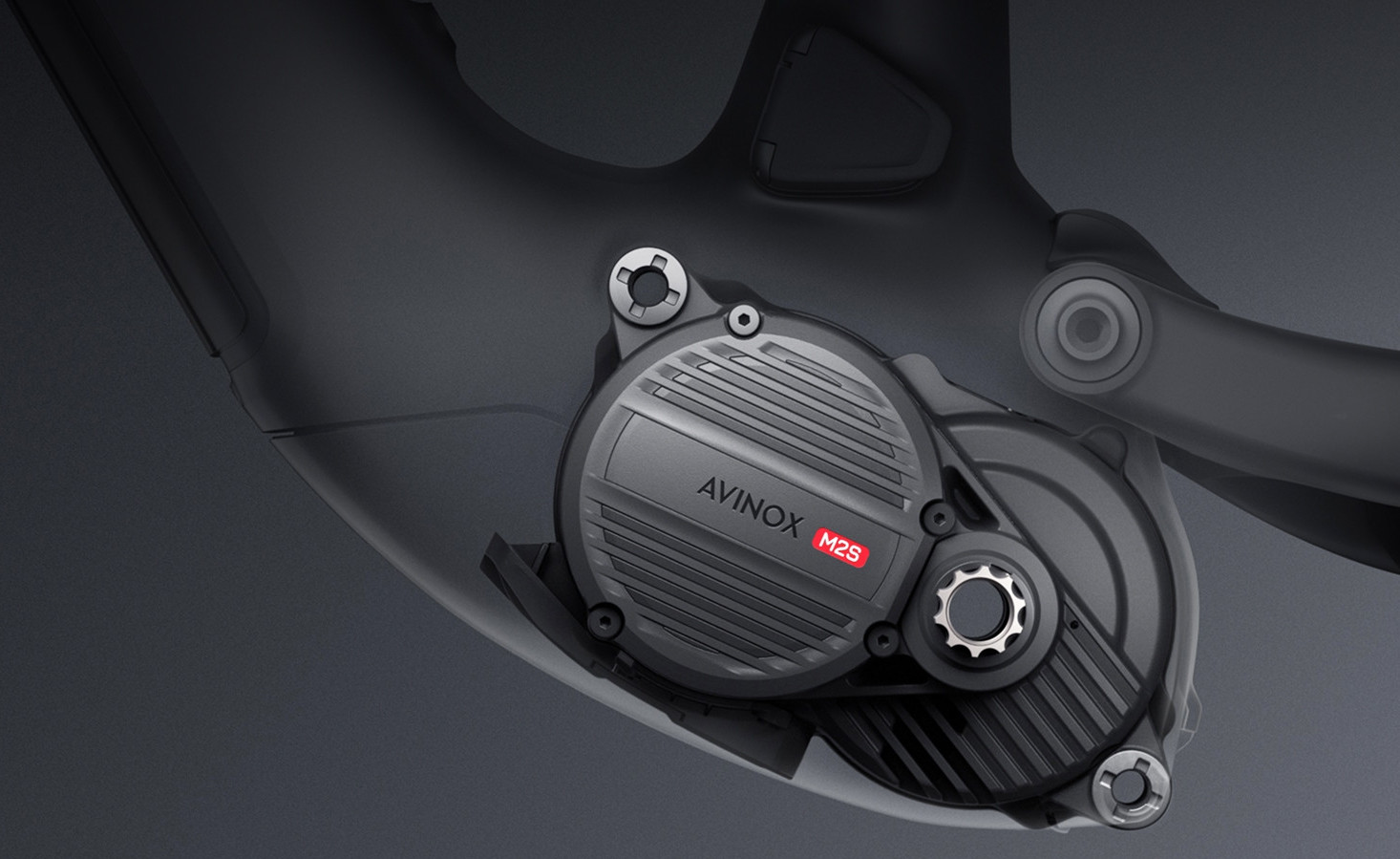
The electric mountain bike industry has experienced a dramatic transformation over the past two years, driven largely by the introduction of increasingly powerful motor systems. When the original Avinox M1 motor debuted with 1000 watts of peak power and 100 newton-meters of torque, it fundamentally shifted expectations about what e-bike performance could deliver. That breakthrough prompted rapid industry-wide responses, with established manufacturers racing to develop competing systems and push the boundaries of electric assist capability. Now, the second-generation Avinox M2S represents the next evolutionary leap, delivering 1500 watts of peak power and 150 newton-meters of torque—a 50 percent increase that positions this motor in an entirely new performance category. This comprehensive review examines whether this dramatic power increase translates into meaningful real-world benefits or represents marketing excess, while exploring the engineering innovations that enable such performance in a compact package.
Technical Specifications and Power Metrics
The headline numbers surrounding the Avinox M2S are genuinely impressive. The motor produces 1500 watts of peak power and 150 newton-meters of torque in its Boost mode, which operates for a maximum of 60 seconds per activation. This short-duration maximum power setting is designed for specific trail situations requiring explosive acceleration or steep climb assistance. For sustained riding, the Turbo mode delivers 1300 watts and 130 newton-meters of torque, representing the continuous power available during extended efforts. These figures represent substantial increases over the previous generation, yet the motor maintains nearly identical physical dimensions and weight.
The M2S weighs just 2.59 kilograms, a negligible increase from the original M1’s 2.52 kilograms despite the significant power boost. This achievement reflects what Avinox describes as a 45 percent increase in power density and a 21.6 percent increase in torque density—metrics that reveal the engineering sophistication underlying the design. Rather than simply scaling up components, the engineers optimized every aspect of the motor to extract more performance from the same footprint. This approach proves critical for maintaining bike handling characteristics and overall system weight, factors that directly influence rideability and trail performance.
Understanding the operational limitations proves essential for prospective buyers. The 60-second Boost mode duration prevents thermal stress on the motor and battery while ensuring riders don’t become dependent on maximum power for extended periods. This design philosophy reflects a pragmatic approach to power delivery—acknowledging that true trail riding involves varied terrain and effort levels rather than sustained maximum acceleration. The Turbo mode’s 1300-watt continuous rating provides substantial assistance for climbing and technical sections without the thermal constraints of Boost mode.
Engineering Innovations and Design Improvements
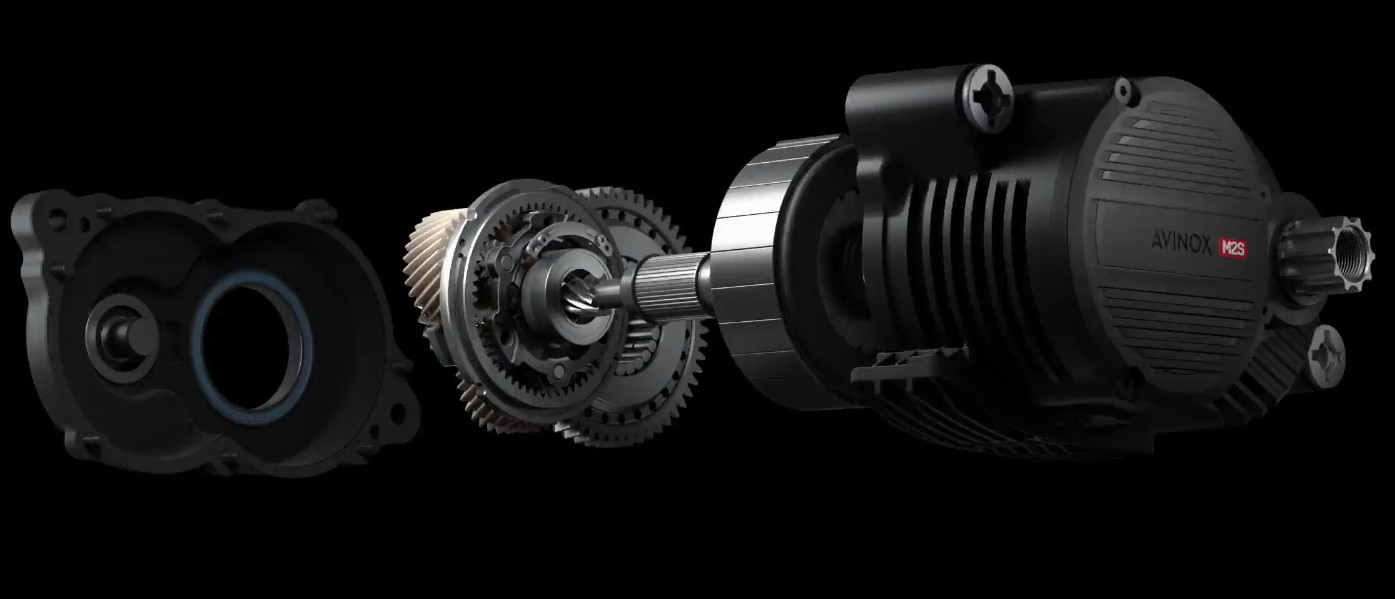
The M2S incorporates several significant engineering refinements that distinguish it from its predecessor. The motor employs a helical dual-gear meshing system, a design choice that reduces gear play and minimizes pedal kickback rattle—a common complaint among riders of high-torque systems. This refinement enhances the overall riding experience by providing smoother power delivery and reducing mechanical noise that can distract from trail feedback and bike control.
Thermal management represents another critical advancement. The M2S features new cooling fins and integrated temperature sensors that monitor motor heat in real-time. These systems work in concert with flat wire windings—a manufacturing technique that reduces energy loss to heat during operation. The cumulative effect of these thermal improvements means the motor can sustain higher power outputs without thermal throttling, a limitation that affects many competing systems under sustained high-effort riding. Riders pushing hard up extended climbs will notice more consistent power delivery compared to motors that reduce output as internal temperatures rise.
Noise performance has also received attention, with the M2S operating at 45 decibels or less under load. For context, this level approximates normal conversation volume, making the motor substantially quieter than many competing high-power systems. This achievement matters more than casual observers might assume—excessive motor noise can fatigue riders on long outings and detract from the natural trail experience that many e-bike enthusiasts value.
Battery and Charging Ecosystem
The M2S introduces meaningful flexibility in battery configuration options. The new 700-watt-hour battery serves as a middle ground between the previous 600Wh and 800Wh options, weighing 3.18 kilograms. This addition addresses a genuine market need, as many riders found themselves conflicted between the lighter but range-limited 600Wh option and the heavier 800Wh alternative. The 700Wh battery provides a practical compromise for riders seeking extended range without excessive weight penalties.
More significantly, Avinox now offers removable battery options in both 600Wh and 800Wh configurations, weighing 2.96 and 4 kilograms respectively. This development opens possibilities for dual-battery setups, where riders can mount an additional external battery for ultra-long-range adventures. While not all OEM manufacturers will implement this capability, the option exists for those seeking maximum range flexibility.
The charging ecosystem has evolved substantially with the introduction of a new 7-amp fast charger, a significant upgrade from the previous 2.5-amp standard. This faster charging capability reduces downtime between rides, with real-world testing demonstrating full charges from completely depleted batteries in under two hours. The ability to reach 75 percent charge in just over an hour provides practical benefits for riders managing multiple outings in a single day or those with limited charging windows.
Real-World Riding Experience and Handling
Initial impressions of the M2S reveal a nuanced reality that contradicts the assumption that 50 percent more power would feel proportionally more powerful. In actual trail conditions, the M2S doesn’t feel dramatically different from the original M1 during normal riding—a characteristic that proves beneficial rather than disappointing. The original motor already delivered impressive power, and a motor that felt 50 percent more powerful would likely be uncontrollable in technical terrain.
What distinguishes the M2S is its refined power delivery at lower cadences and lighter pedal inputs. The motor comes on smoothly and progressively, allowing riders to modulate assistance with precision. This control proves essential in loose, soft terrain where excessive power application causes wheel spin and loss of traction. However, when riders stomp on the pedals or spin the motor up to higher RPMs, the full power becomes apparent—the bike accelerates uphill with rocket-like intensity.
This characteristic creates a notable learning curve. Multiple test riders experienced near-crashes when they forgot the motor’s capabilities and applied pedal pressure expecting typical e-bike response, only to have the bike surge forward with unexpected violence. The solution involves adjusting riding technique to account for the available power, particularly in technical sections where precise control matters more than maximum acceleration. Experienced riders adapt quickly, but the transition period requires conscious attention.
The practical implication is that Trail mode provides sufficient power for most riding situations, with Turbo mode reserved for sustained climbs and Boost mode for specific technical challenges. Many riders will find themselves deliberately limiting maximum power output through the companion app to optimize battery range on everyday rides, since the full 1500-watt capability demands substantial energy consumption.
Smart Features and Connectivity Advancements
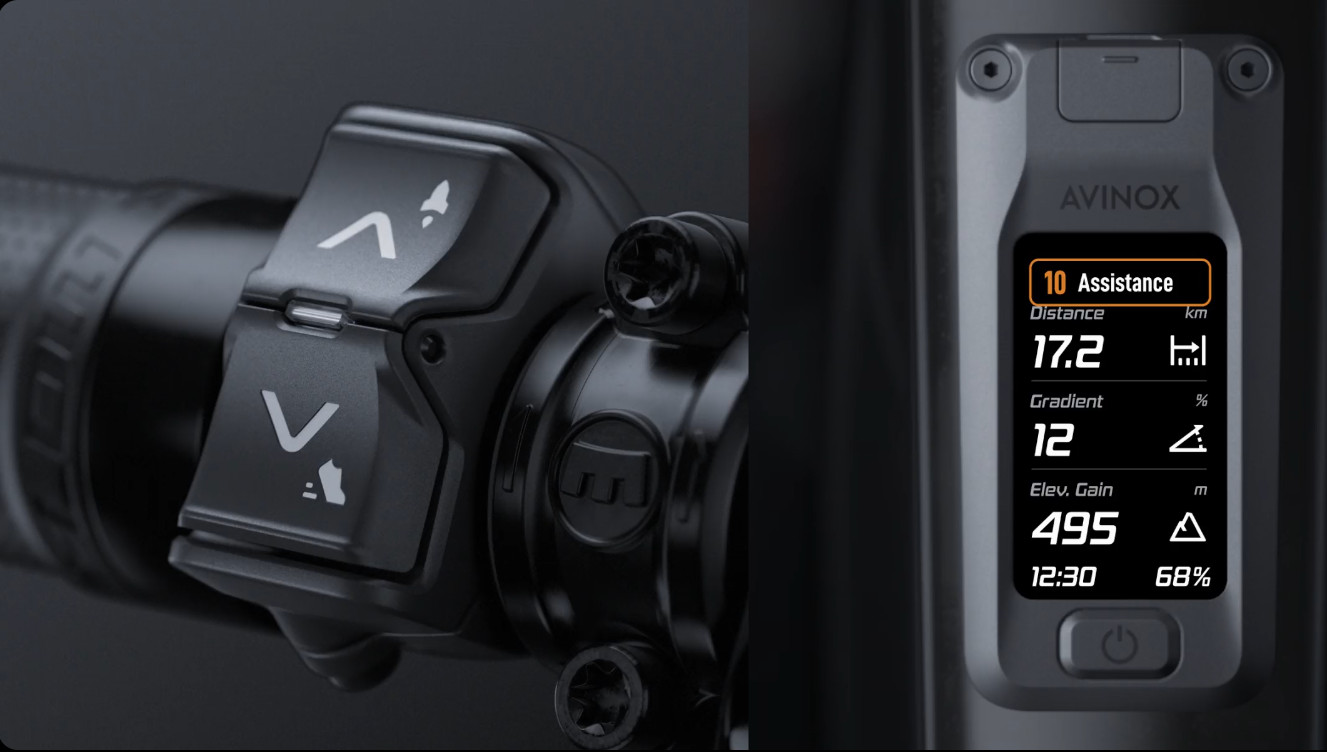
The M2S ecosystem extends beyond raw motor performance to include sophisticated digital integration. New 2-inch full-color OLED displays provide crisp, readable information in various lighting conditions. These displays integrate turn-by-turn navigation powered by the Avinox app, with the ability to import routes from third-party applications like Strava or Komoot.
Heart rate monitoring integration represents a particularly useful addition for training-focused riders. By pairing a compatible heart rate monitor, riders can link assistance levels to specific heart rate zones, enabling targeted training sessions or extending range by maintaining lower heart rates during casual rides. This feature appeals to fitness-conscious users who view e-bikes as training tools rather than pure transportation.
Security features have expanded significantly. Apple Find My integration (when a SIM card is installed) enables location tracking of the bike, while automatic locking engages when the bike loses Bluetooth connection to the paired smartphone. Abnormal movement alerts notify riders of potential theft attempts, adding peace of mind for expensive systems.
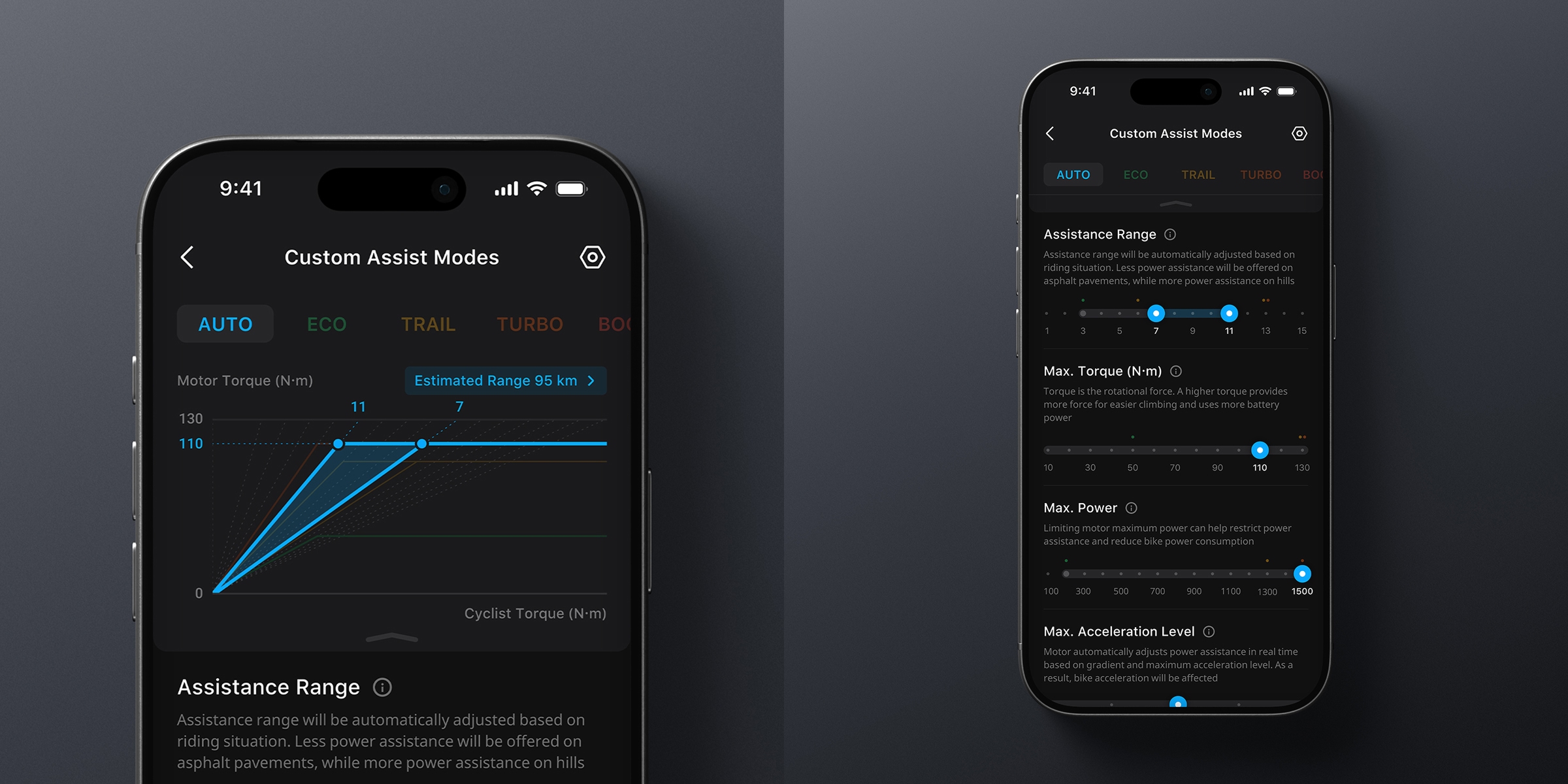
The companion app provides granular customization of ride modes, allowing riders to adjust assist levels, start assist sensitivity, continued assist characteristics, and maximum torque for each mode. This level of customization enables fine-tuning the motor’s behavior to match individual preferences and specific riding conditions. Diagnostic capabilities within the app facilitate troubleshooting and error resolution without requiring dealer intervention.
Market Adoption and Industry Impact
The M2S launch demonstrates substantial market confidence in the platform. Nineteen initial OEM partners introduced M2S-equipped models at the Sea Otter Classic event, with additional launches planned through the following weeks. Brands including Amflow, Atherton, BH, Canyon, Commencal, Forbidden, Mondraker, Pivot, Propain, and Whyte represent diverse market segments from all-mountain to enduro categories.
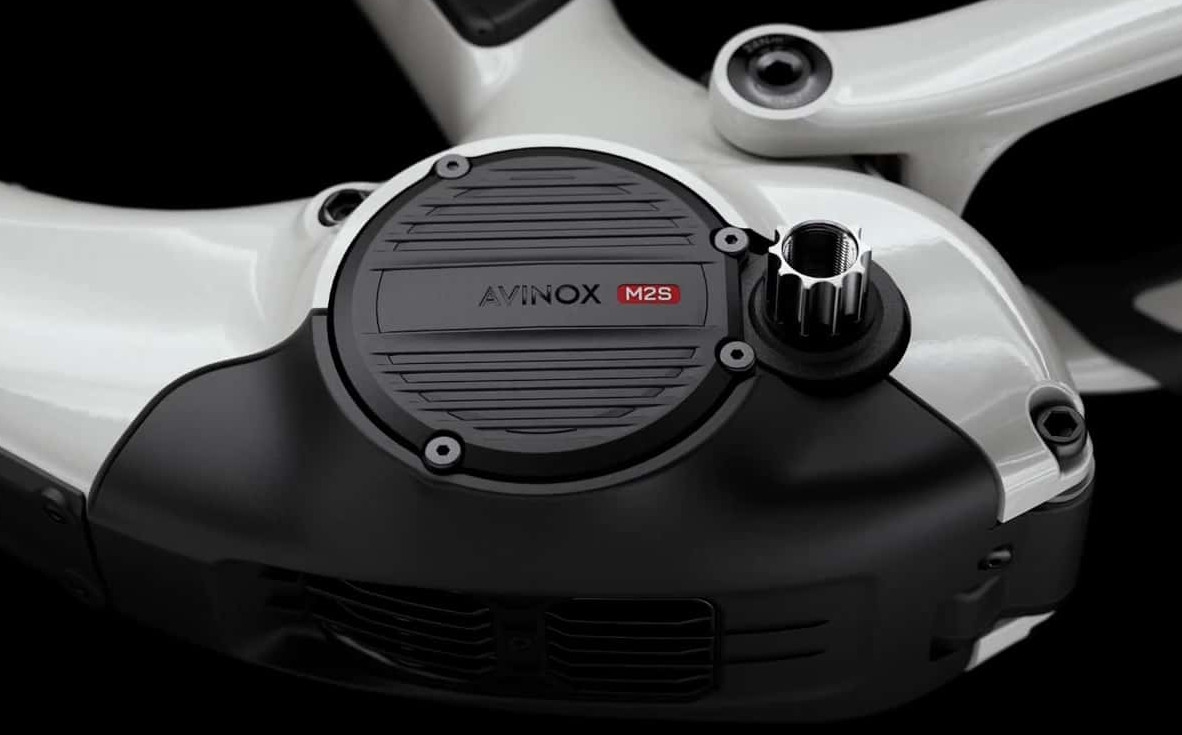
This broad adoption reflects the motor’s versatility across different bike geometries and riding styles. The compact size and refined power delivery enable integration into various frame designs without compromising handling characteristics. The fact that 60 e-bike companies are reportedly developing OEM partnerships with Avinox suggests the motor has achieved industry-standard status comparable to established competitors.
The broader implications for e-bike regulation and trail access remain uncertain. As motor power continues escalating, regulatory bodies face pressure to establish clearer definitions distinguishing e-bikes from electric motorcycles. The 1500-watt power output approaches performance levels of entry-level 50cc motorcycles, raising legitimate questions about appropriate trail access and user licensing requirements in various jurisdictions.
Conclusion
The Avinox M2S represents a genuine engineering achievement, delivering substantial power increases while maintaining compact dimensions and refined control characteristics. The motor’s 1500-watt peak output and 150-newton-meter torque rating position it at the forefront of e-bike motor technology, backed by meaningful improvements in thermal management, noise performance, and power delivery smoothness.
However, the practical value proposition requires honest assessment. The 50 percent power increase doesn’t translate into proportionally better trail performance for most riders. Instead, it provides capability for specific situations—steep climbs, technical terrain, and explosive acceleration—while demanding careful modulation in loose conditions. The learning curve is real, and riders accustomed to conventional e-bikes will need adjustment time.
The M2S appeals primarily to riders who prioritize maximum performance capability, those tackling genuinely challenging terrain, and enthusiasts who value cutting-edge technology. For casual riders seeking extended range or comfortable assistance on moderate terrain, the original M1 or competing mid-power systems likely provide better value and more intuitive rideability.
The motor’s market success will ultimately depend on how OEM manufacturers integrate it into complete bike systems and whether regulatory frameworks accommodate such high power outputs. As the e-bike industry continues its power escalation, the M2S marks a significant waypoint in an ongoing evolution that raises important questions about the future of electric mountain biking and its place within the broader cycling community.