
Yamaha YDX Moro 7: Three Decades of E-Bike Engineering Excellence
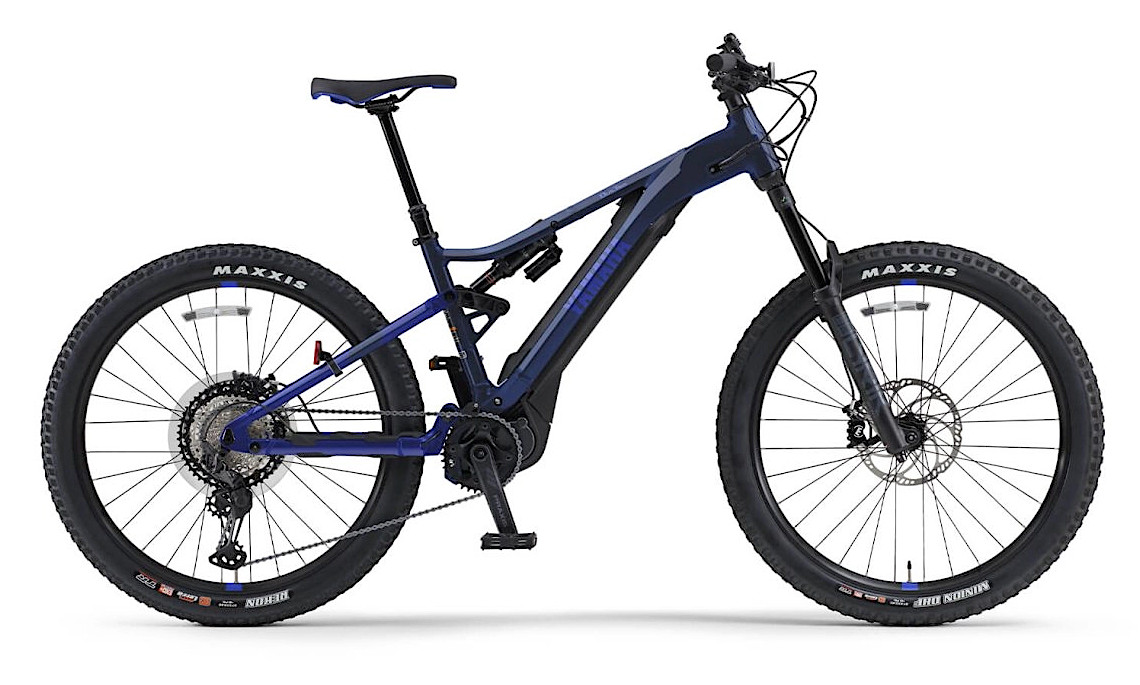
When most people think of Yamaha, motorcycles and pianos come to mind. Few realize that the Japanese manufacturer has been quietly pioneering electric bicycle technology for three decades, making them one of the industry’s earliest and most committed innovators. The Yamaha YDX Moro 7 represents the culmination of this extensive heritage, offering a distinctive approach to e-mountain biking that prioritizes engineering excellence and thoughtful design over raw power metrics alone.
What makes the Moro 7 particularly compelling is Yamaha’s vertical integration—a rarity in the e-bike industry. Unlike most competitors who assemble bikes from third-party components, Yamaha designs and manufactures its own frames, motors, and batteries. This control over the entire system results in a cohesive riding experience that feels intentionally engineered rather than assembled from disparate parts. At an MSRP of $6,399, with a 30th anniversary limited edition available at $6,499, the Moro 7 delivers exceptional value for the specification level and warranty coverage provided.
Frame Design and Engineering Innovation
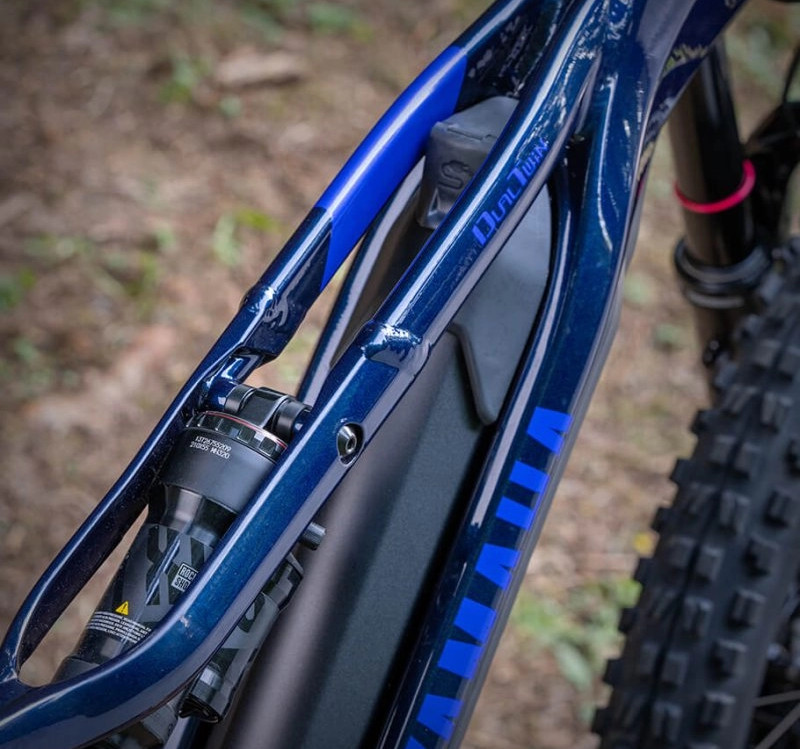
The Moro 7’s frame represents perhaps its most distinctive feature—a patented split tube architecture borrowed from Yamaha’s motorcycle engineering heritage. Rather than a conventional top tube, Yamaha employs a split design with two parallel tubes running from the head tube toward the rear. This unconventional approach serves a critical purpose: the shock absorber anchors within these tubes, and the battery nestles between them, creating an integrated structure that optimizes the bike’s center of mass.
Battery placement profoundly affects how an e-bike handles and feels in motion. Position it too high or too low, and the bike becomes either unstable or sluggish through technical terrain. Yamaha’s engineering team clearly invested considerable effort in achieving the proper balance, and the results are evident in how the bike behaves on the trail. The Moro 7 doesn’t fight you into turns, nor does it feel top-heavy despite the integrated battery. Instead, it maintains a composed, well-balanced demeanor that makes navigating technical sections feel natural rather than labored.
The frame geometry further enhances this balanced character. With a steep 66.3-degree head tube angle paired with 470-millimeter chainstays, the Moro 7 prioritizes nimble cornering and responsive handling. This geometry excels on tight switchbacks and technical climbs where quick directional changes matter. The full 27.5-inch wheel setup complements this approach, creating a bike that feels lively and maneuverable rather than ponderous. However, this geometry does impose a trade-off: the steeper head angle and smaller wheel diameter make aggressive rocky descents require more deliberate, cautious riding compared to bikes with slacker angles or larger wheels.
Motor Performance and Responsiveness
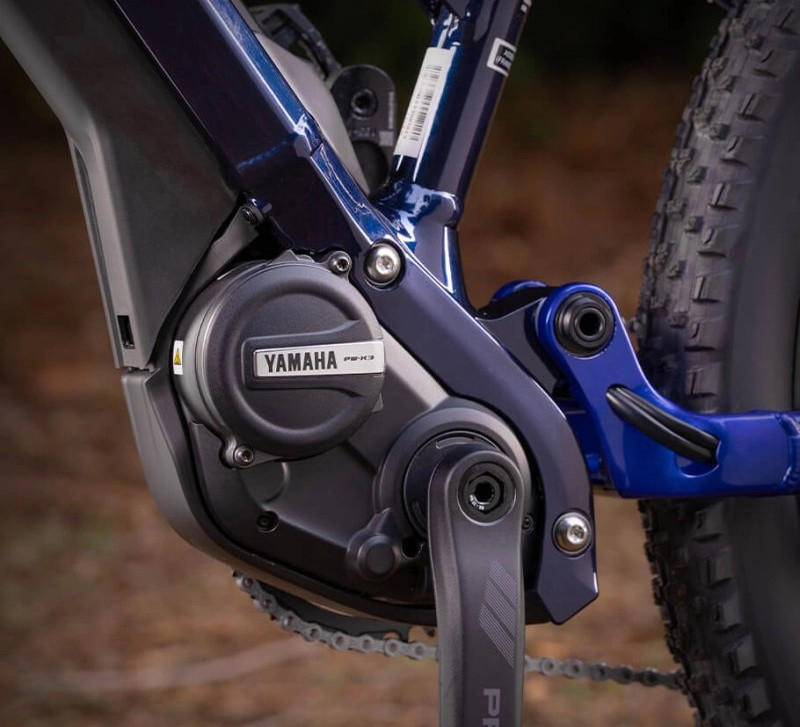
Yamaha’s proprietary motor embodies what the company calls its “Pure Ride Concept,” emphasizing four key characteristics: compact design, lightweight construction, high output, and quick response. At just 6.06 pounds, the motor achieves an impressive 82.5 watts-per-pound power-to-weight ratio while delivering 250 watts nominal output and 500 watts peak power. The motor produces 85 Newton-meters of torque, respectable figures that belie the motor’s most distinctive characteristic: its exceptional responsiveness at low cadences.
This low-cadence power delivery represents the Yamaha motor’s calling card. Riders who struggle with optimal shifting technique—those who occasionally find themselves in too high a gear when a hill appears—will appreciate how this motor excels in the 50 to 70 RPM range. Rather than requiring you to shift down and wait for the motor to build power at higher cadences, the Yamaha motor delivers substantial assistance immediately, even when you’re pedaling slowly. This forgiving characteristic makes the bike particularly welcoming for newer e-bike riders or those transitioning from traditional bicycles.
The motor incorporates cadence, speed, and gyroscopic angle sensors that enable intelligent power distribution. The bike offers five distinct assistance levels, each providing noticeably different power characteristics, plus an adaptive mode that automatically adjusts assistance based on riding conditions. The five manual modes feel purposeful and distinct, allowing riders to fine-tune their experience based on terrain and energy conservation needs. The adaptive mode, while innovative, tends toward conservative power delivery and may not suit all riding styles.
One of the motor’s most appreciated qualities is its quiet operation. Compared to competing mid-drive motors, the Yamaha unit produces minimal noise and virtually no vibration or rattle from the frame. This refinement becomes particularly noticeable during descents, where other motors might generate annoying mechanical sounds. The trade-off for this responsiveness and refinement is slightly slower sustained climbing performance compared to some competitors. In standardized testing, the motor excels on shorter climbs but doesn’t quite match the sustained power output of heavier-duty alternatives on extended ascents.
Battery System and Power Management
The Moro 7 comes equipped with a 500Wh battery—the only capacity option available, which some riders may find limiting compared to competitors offering multiple battery sizes. However, Yamaha’s charger compensates somewhat for this limitation by achieving 80 percent charge in just one hour, substantially faster than most competitors. This rapid charging capability means you can extend your riding day with a quick midday top-up.
In standardized range testing, the Moro 7 achieved 19.24 miles on a full charge at maximum assist settings. This result places it on the shorter end of the spectrum, though this partly reflects the 500Wh battery’s modest capacity compared to larger alternatives. The motor and battery combination demonstrated mid-pack efficiency scores, meaning it converts electrical energy to forward motion reasonably well without being class-leading. For riders planning extended all-day adventures, Yamaha offers spare battery packs, allowing you to carry additional capacity for longer excursions.
Control Systems and User Interface
The Moro 7 uses Yamaha’s Interface X control unit, a larger display unit offset to the stem with color-coded LED indicators showing which of the five power levels or adaptive mode is active. While functional, the display feels unnecessarily chunky compared to more discrete control units available on competing bikes. The unit does include Bluetooth connectivity for compatible bicycle computers, enabling enhanced metrics tracking and data logging.
A notable limitation is the absence of a dedicated mobile app for motor tuning and advanced customization. Some competitors, including manufacturers using similar Yamaha motors, offer companion apps that allow riders to adjust motor characteristics and access detailed performance data. Yamaha’s reliance on the five fixed power levels means less granular customization, though most riders will find one of the five modes suitable for their typical riding style.
Ride Quality and Trail Performance
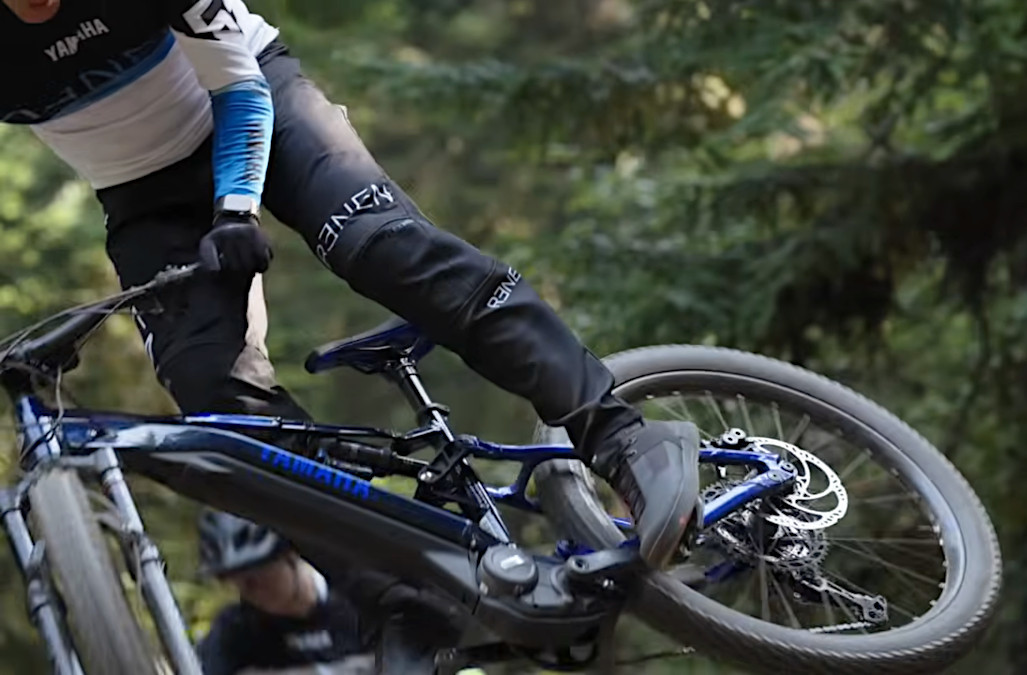
The Moro 7’s suspension setup pairs a RockShox Lyric fork with 35-millimeter stanchions and a Super Deluxe Select Plus rear shock, both premium components that deliver composed, comfortable performance. The suspension feels well-tuned and responsive, absorbing trail chatter while maintaining good feedback about what’s happening beneath the wheels. The overall ride quality is notably refined, with the bike feeling lighter and more lively than many aluminum e-mountain bikes despite carrying a motor and battery.
On climbs, the Moro 7 demonstrates strong performance on shorter, steeper ascents, where the motor’s low-cadence power delivery shines. The steep head tube angle and responsive geometry make technical climbing feel controlled and manageable. The bike excels on green and blue-rated trails, handling rolling terrain and moderate technical sections with aplomb. The Shimano XT drivetrain and Magura brakes provide reliable, predictable performance across varied conditions.
Where the Moro 7 requires more deliberate technique is on technical rocky descents. The combination of steep head tube angle and 27.5-inch wheels means you’ll need to slow down and pick your line more carefully compared to bikes with slacker geometry or larger wheels. This isn’t a fundamental flaw—many riders prefer this more controlled, precise approach—but it’s worth understanding if you frequently ride aggressive terrain.
Value and Warranty Coverage
The Moro 7’s five-year warranty on frame, motor, and battery stands out as industry-leading protection. Because Yamaha manufactures these critical components in-house, the company confidently backs all three for the full warranty period. Most competitors offer only one to two years of coverage on electrical systems, relying on third-party manufacturers for those components. Combined with Yamaha’s century-old parent company backing the brand, this warranty provides genuine peace of mind for a significant purchase.
The component specification further enhances the value proposition. Premium suspension from RockShox, reliable braking from Magura, and a complete Shimano XT drivetrain represent solid choices that will serve riders well for years. At $6,399, the Moro 7 delivers more comprehensive specification and warranty coverage than many competitors at similar price points.
Conclusion: Thoughtfully Engineered Excellence
The Yamaha YDX Moro 7 represents a distinctly engineered alternative in the crowded e-mountain bike market. Rather than chasing maximum power numbers, Yamaha has created a bike that prioritizes responsive motor feel, balanced handling, and comprehensive warranty protection. The unique frame design, proprietary motor characteristics, and vertical integration create a cohesive riding experience that feels intentional and refined.
The Moro 7 appeals particularly to newer e-bike enthusiasts who appreciate the motor’s forgiving low-cadence power delivery, cross-country riders who value efficiency and maneuverability, and those who prioritize ride quality and engineering excellence over raw performance metrics. The bike’s geometry and component selection offer customization potential—mixing wheel sizes or adjusting head tube angle for specific trail preferences—making it adaptable to various riding styles.
Three decades of e-bike engineering expertise culminate in a bike that doesn’t demand attention through flashy features or aggressive marketing, but rather earns respect through thoughtful design and genuine capability. For riders seeking a well-balanced, responsively engineered e-mountain bike backed by industry-leading warranty coverage, the Moro 7 deserves serious consideration.