
What is an eCVT gearbox motor?
eCVT stands for electronic continuously variable transmission integrated with a mid‑drive motor. Typical designs use two electric motors plus a planetary gearset: one motor provides the pedalling assistance while a second motor continuously varies the planetary gearing. Electronics coordinate both motors to hold a rider’s chosen cadence, producing a stepless gear range instead of a set of cassette sprockets.
Why people are excited
The rider‑facing benefits are easy to explain and immediately relatable:
- Seamless, automatic shifting. No derailleur shift clunks or discrete gear steps — the eCVT keeps you at a target cadence or a selected virtual gear. That feels great in stop/start city riding, loaded touring and technical trail sections where uninterrupted power matters.
- Very wide gear range. Published systems claim ranges from several hundred percent up to around 1,000% in some designs. That covers very low crawl gears for steep climbs and high top speeds without multiple external gears.
- Lower exposure and maintenance. With the gearbox sealed inside the motor housing there are fewer exposed wear items like derailleurs and cassettes to adjust or replace — appealing for commuters, cargo bikes and anyone who wants simple upkeep.
- High torque and power targets. New units target high torque (100–150+ Nm) and peak outputs in the 1,000–1,500 W range, making them contenders for eMTB and cargo use where muscle and durability matter.
- Centralised mass. Because the unit is mid‑mounted, weight is concentrated at the frame rather than out on the rear wheel, which can improve handling compared with heavy rear hub motors or bulky cassette systems.
Practical downsides to weigh
Those advantages come with tradeoffs you should consider before committing.
- Weight. Integrated eCVT units tend to be heavier than a motor used with a conventional derailleur and cassette. Reported examples put some eCVT units around 3.8 kg — about 0.5–1.0 kg heavier than some motor+derailleur combos. That matters for lightweight road or gravel bikes and when you want to swap or upgrade frames.
- Minor pedal lag. Riders report a small input‑to‑response delay in the 20–40 millisecond range compared with direct single‑speed drivetrains. Some riders won’t notice it; attentive riders or racers might.
- Cost and supply constraints. eCVT units are new, proprietary and expected to carry a premium. Early bikes with these motors showed higher entry prices, and manufacturers are still scaling production volumes.
- Unknown long‑term reliability and service model. Sealed internals reduce routine upkeep but concentrate wear inside a complex unit. Long‑term durability, repairability, parts availability and third‑party service ecosystems have not yet been proven at scale.
- Compatibility and aftermarket limits. Integration choices — chain, belt or shaft drives, frame mounting and electronics — are still evolving. Retrofitting most current bikes will be limited compared with swapping a derailleur or cassette.
Where the tech stands today
Several manufacturers are pushing eCVT concepts toward production. Examples to watch:
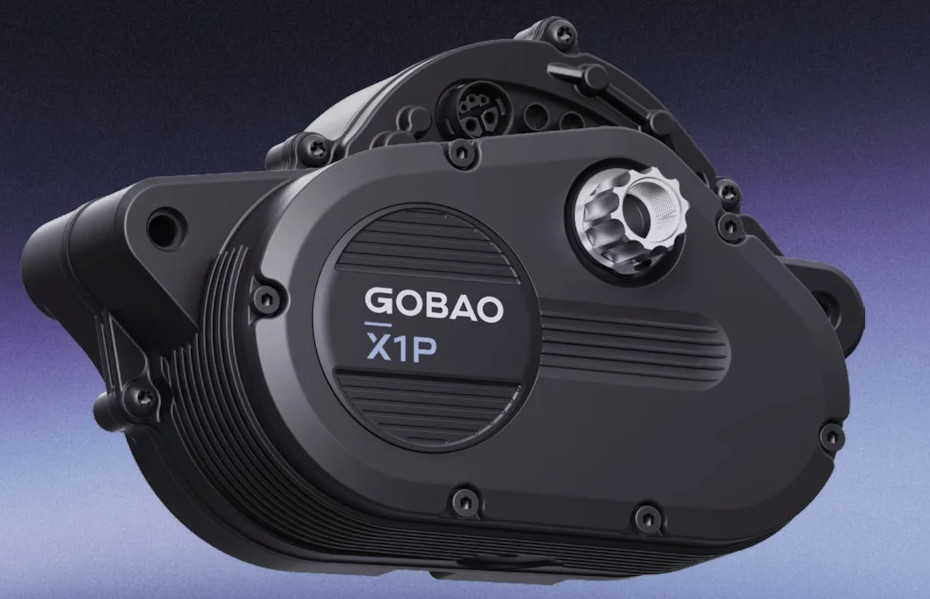
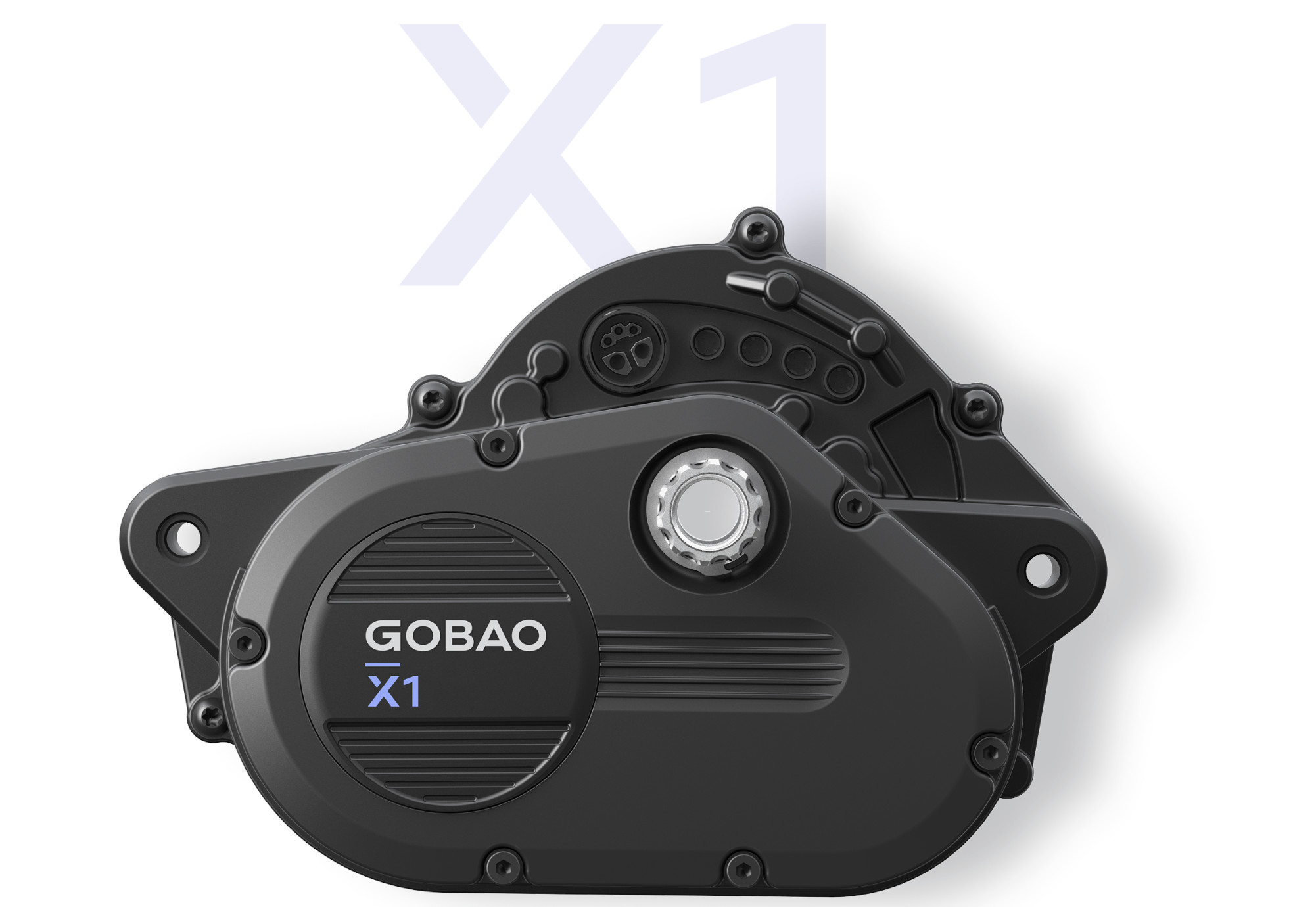
- Gobao X1 / X1P. A production‑bound unit with eCVT. The X1P is quoted at about 1,500 W peak and around 150 Nm, with roughly a 500% ratio range. Production targets from previews point at 2027 for wider availability.
- Avinox (DJI subsidiary). The MG concept motor was shown at Eurobike; it occupies a similar space and has been discussed with partners and production timelines around 2027 in previews.
- Other players. Names like Revonte and Driven have shown earlier eCVT products or prototypes, each balancing weight, torque and gear‑range tradeoffs differently.
Who should consider an eCVT e‑bike?
Think in terms of use case rather than marketing hype. eCVTs are especially attractive for:
- Urban commuters who want automatic, seamless shifting and low maintenance.
- Cargo and family carriers where durability, uninterrupted power and wide gear range are useful under heavy loads.
- eMTB riders who value consistent cadence during technical sections and want a compact, central drive solution.
eCVTs are less attractive for lightweight road or gravel riders who prioritise every gram and straightforward aftermarket serviceability.
Buying checklist for motopeds.com readers
Before you decide, check these practical points:
- Test‑ride. Cadence targeting and any pedal lag are subjective — ride for how you actually plan to use the bike.
- Warranty and service. Ask about warranty length, what is covered inside the sealed gearbox, and who services it locally.
- Replacement costs. Compare the expected cost of repairing or replacing an integrated unit versus routine maintenance and part swaps for conventional drivetrains.
- Battery and electronics. Confirm how motor and battery/charger systems are integrated and whether the OEM supports firmware updates or diagnostics.
- Compatibility. If you value aftermarket upgrades or frame swaps, check whether the eCVT is proprietary to the frame or can be transferred.
What to watch over the next 18–36 months
Key variables will determine whether eCVTs remain a niche or become mainstream:
- Production ramp and pricing. Will manufacturers meet 2027 production targets and bring prices down enough for wide adoption?
- Real‑world reliability. We need multi‑year owner data on durability and service costs compared with traditional drivetrains.
- Efficiency and range. Independent tests across varied terrain will tell whether eCVT systems match or lag conventional mid‑drives for battery range.
- Aftermarket and interoperability. Wider third‑party service and parts ecosystems would ease ownership and broaden appeal.
Bottom line
eCVT gearbox motors solve real pain points — seamless shifting, broad gear range, lower visible maintenance and centralised mass — and they bring power and torque figures that make them viable for cargo and eMTB applications. But they trade those gains for added weight, higher upfront cost and an unproven long‑term service picture. For commuters and cargo riders who value convenience and robustness, eCVTs are compelling to try. For lightweight performance riders, the tradeoffs are less attractive.
If you’re curious, the practical approach is simple: test‑ride an eCVT bike, ask hard questions about warranty and service, and keep an eye on pricing and real‑world durability as production scales through 2026–2028.