
Overview: what the V1+ EVO is trying to be
The 2026 Ventus One Plus EVO is a compact, high‑performance electric dirt bike aimed at riders who want race‑level acceleration and tunability in a small chassis. Ventus advertises a Ryuga PMSM motor with roughly 32 kW peak power, a 72 V BK51 battery pack (50–51 Ah listed across sources), and manufacturer figures of 80+ mph top speed and up to a 50‑mile max range. The EVO build adds stronger suspension, bigger brakes, moto wheels and improved drivetrain parts over the prior One/One+ models.
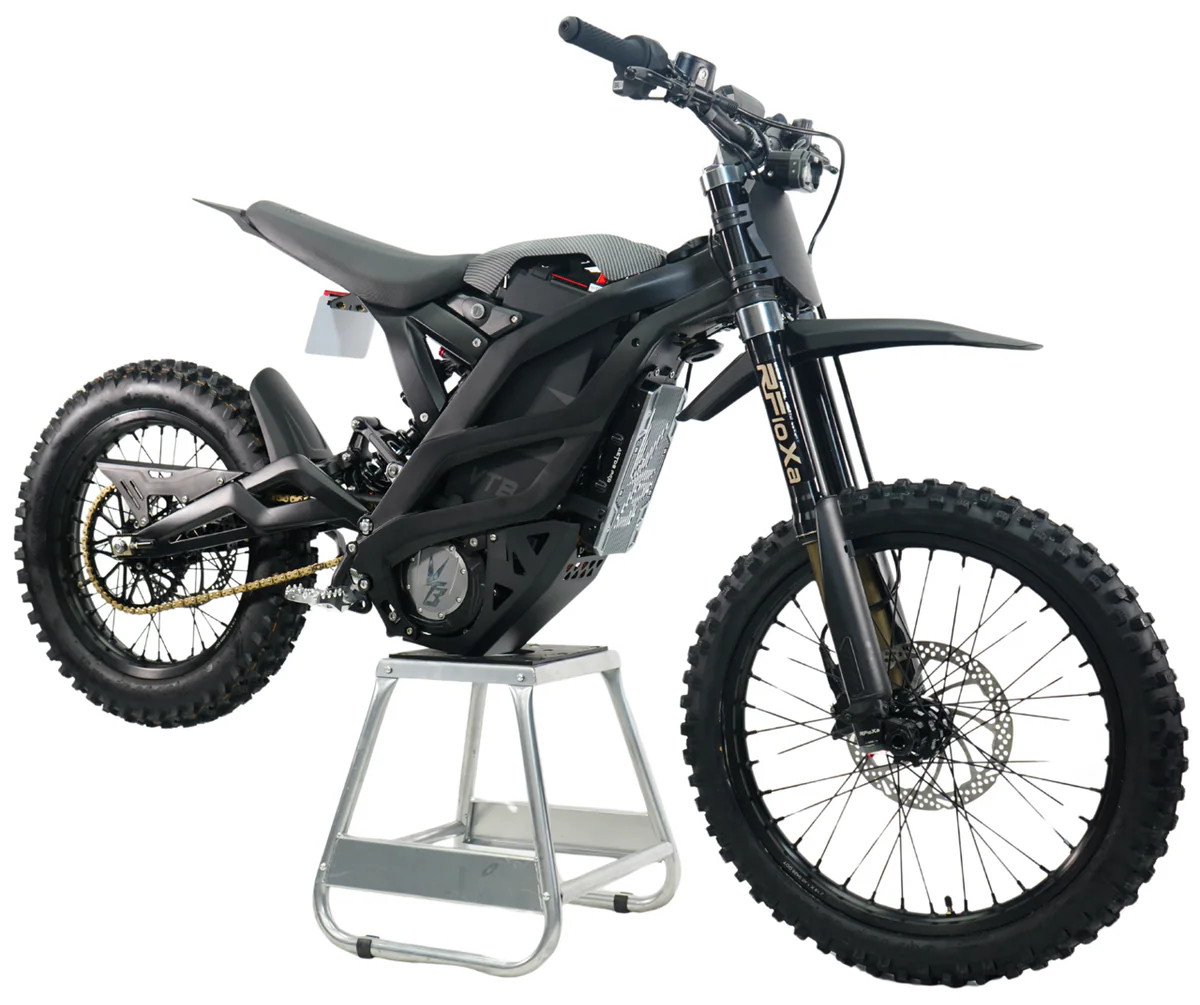
Key hardware highlights
- Motor: Ryuga PMSM motor — dealer and manufacturer pages reference 32 kW peak, with some dealer pages also using 36 kW/52 kW branding (there’s some inconsistency across listings).
- Battery: 72 V BK51 cell pack; Ventus lists 50 Ah while some dealers show 51 Ah.
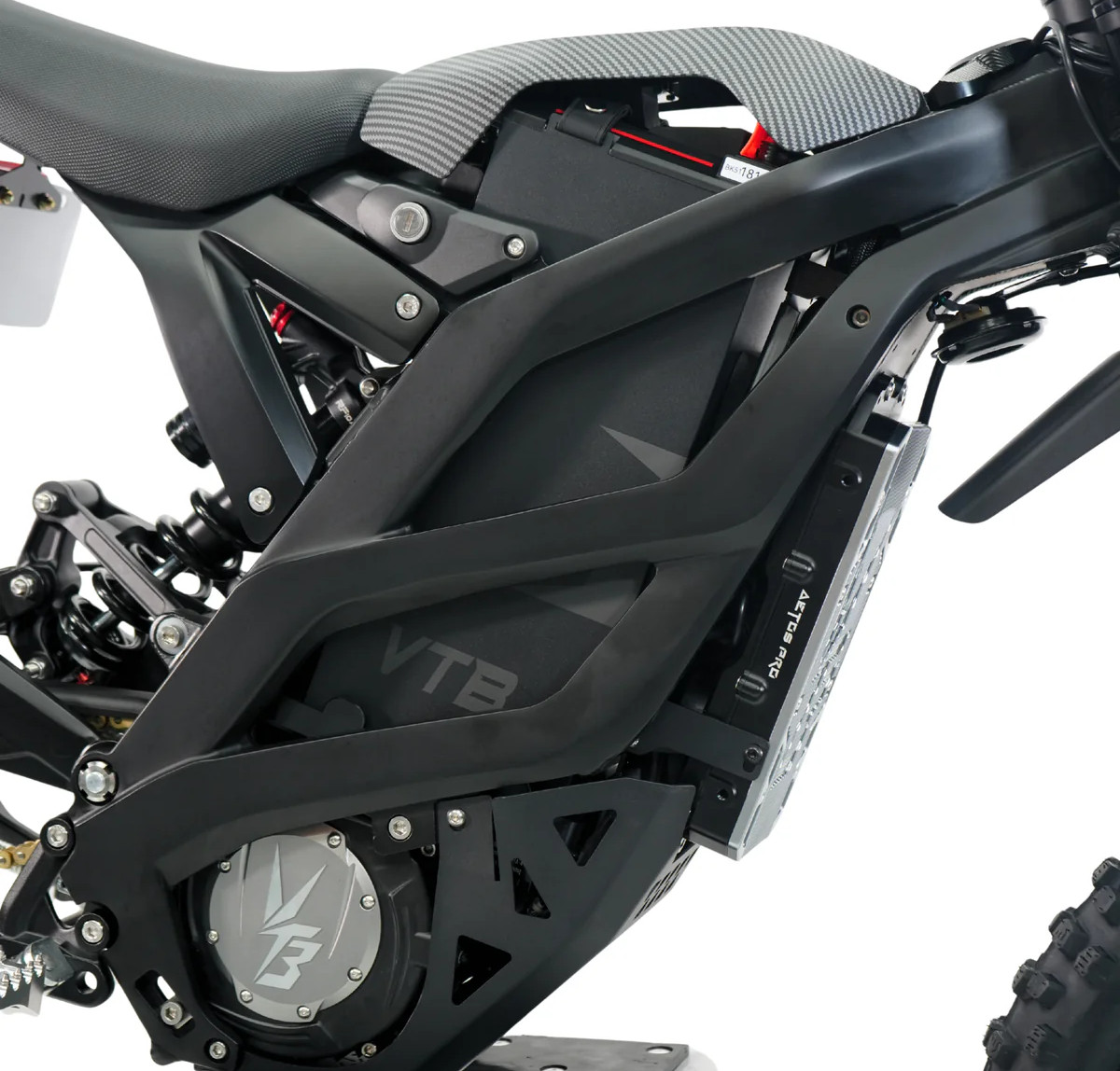
- Controller: Aetos Pro smart controller with a smartphone app for throttle maps, regen, ride modes, wheelie mode, diagnostics and firmware updates.
- Suspension: RFloXa Hawk33 front forks and RFloXa 50RC rear shock (dealers list a 450 lb spring option).
- Brakes: Upgraded DOT4 “Type 2” moto brakes with larger ~95.5 mm calipers.
- Wheels/tires: Moto sizes—19″ front / 16″ rear as stock.
- Drivetrain: Gen2 carbon belt with carbon steel pulley and stronger pulley hardware.
Practical performance notes
Manufacturer numbers (top speed ~80+ mph, up to 50 miles range) are useful for comparing models but should be treated as optimistic in the real world. Available listings also show conflicting power badges (32 kW, 36 kW and references to a 52 kW motor), and Ventus claims 700 N·m torque — an unusually large figure for a small e‑moto spec that will need context (motor vs wheel torque and how it was measured).
What the EVO adds vs the One/One+
The EVO focuses on chassis and hardware upgrades: heavier‑duty forks, a stiffer rear shock, larger brakes, moto wheels and a more robust belt/pulley. Those changes should reduce the immediate need for aftermarket upgrades that many One owners performed, but they don’t eliminate setup work for different riding styles.
Hands‑on setup and tuning tips
Independent hands‑on testing of the One Plus highlights how sensitive this platform is to setup. Small changes to front height, tire choice and handlebar geometry materially change the bike’s behavior. Here are practical recommendations that apply to the EVO as well, especially if you want the bike to be predictable off the showroom floor:
- Front height and balance: Raising the front slightly improves chassis balance for aggressive trail and track use. A drop‑crown clamp (Max Clamp) was one of the tested changes that helped front end feel.
- Tires: A taller 70/100‑19 Dunlop MX34 front tyre improved contact patch and steering feel in testing. Stock moto tires may be fine for some riders, but tyre choice should match your terrain.
- Bars and controls: Wider bars with a Warp 9 clamp and grippier grips make the bike easier to control under throttle and braking inputs.
- Suspension tweaks: The EVO’s Hawk33 forks and 50RC shock are a step up, but riders still adjust fork height and spring rates to suit enduro vs track setups.
- Brakes: The upgraded DOT4 Type 2 system with larger calipers helps stopping power; bleed and lever reach adjustments will still help match rider preference.
Tuning with the Aetos Pro controller
The Aetos Pro and the Ventus app are a major selling point for riders who want tunability. You can change throttle maps, regen strength, ride modes and more. In real‑world testing of a One Plus, a conservative Sport mode combined with Drive Level 2 and roughly 25 A regen produced usable, non‑twitchy power for trail riding. By contrast, Boost or aggressive maps deliver very high straight‑line acceleration but become harder to manage in tight terrain.
Maintenance and durability points
Ventus upgraded the belt and pulley for better durability, but common e‑moto practice still applies: inspect belt condition and pulley bolts closely during the initial break‑in miles. Suspension and brake hardware should be checked for fastener torque and fluid condition after the first few rides.
Who the V1+ EVO is for — and who it’s not
If you want a small, explosive electric bike that can be tuned for track sprints or aggressive trail riding, the EVO looks like a strong contender—provided you invest time in setup and controller tuning. Testers note it’s excellent when dialed in, but out‑of‑the‑box it may be twitchy for technical singletrack until you adjust geometry, tires and throttle maps.
What to verify before you buy
There are a few important specification inconsistencies and manufacturer claims to confirm with your dealer or Ventus representative before purchase:
- Exact motor output: confirm whether the 32 kW figure is peak or continuous, and why some listings show 36 kW or other badges.
- Battery capacity: clarify whether production bikes use a 50 Ah or 51 Ah BK51 pack and the expected real‑world usable capacity.
- Torque claim details: ask how the 700 N·m figure is measured (motor vs wheel torque, and reduction ratio used).
- Real‑world numbers: seek independent test data for weight, top speed and range under realistic riding conditions.
- Fitment vs One Plus: check which One Plus aftermarket mods are still needed on the EVO—some testers’ recommended upgrades might be redundant, others may still improve handling.
Bottom line
The 2026 Ventus One Plus EVO packages strong hardware upgrades, a smart controller/app and an aggressively tuned motor into a small, race‑oriented chassis. Manufacturer specs promise exciting performance, but buyer expectations should include setup time and verification of key figures before purchase. If you like to tune suspension, tires and controller maps and want a compact electric bike with big acceleration potential, the V1+ EVO is worth a close look—just plan to spend time dialing it in for your terrain and riding style.